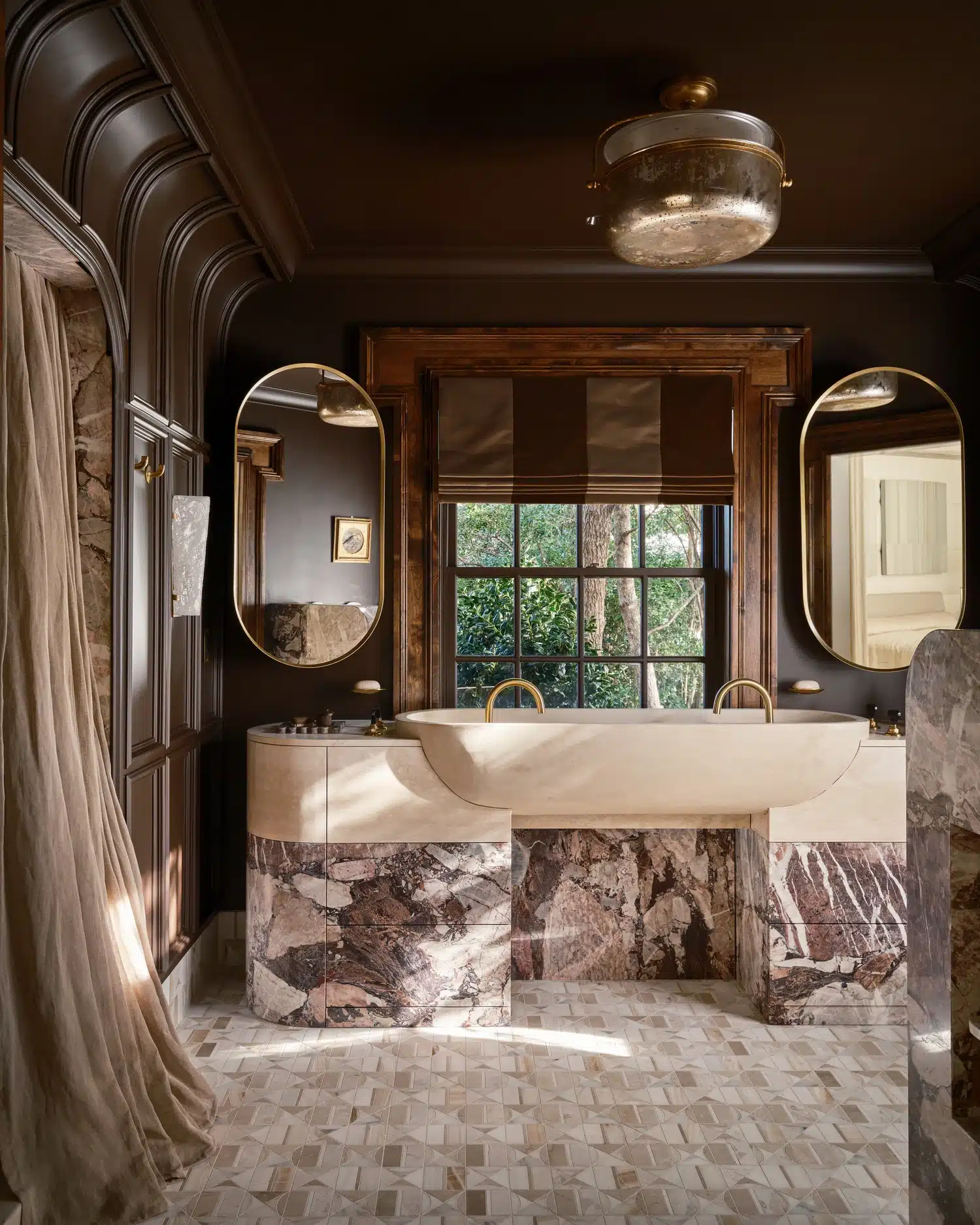
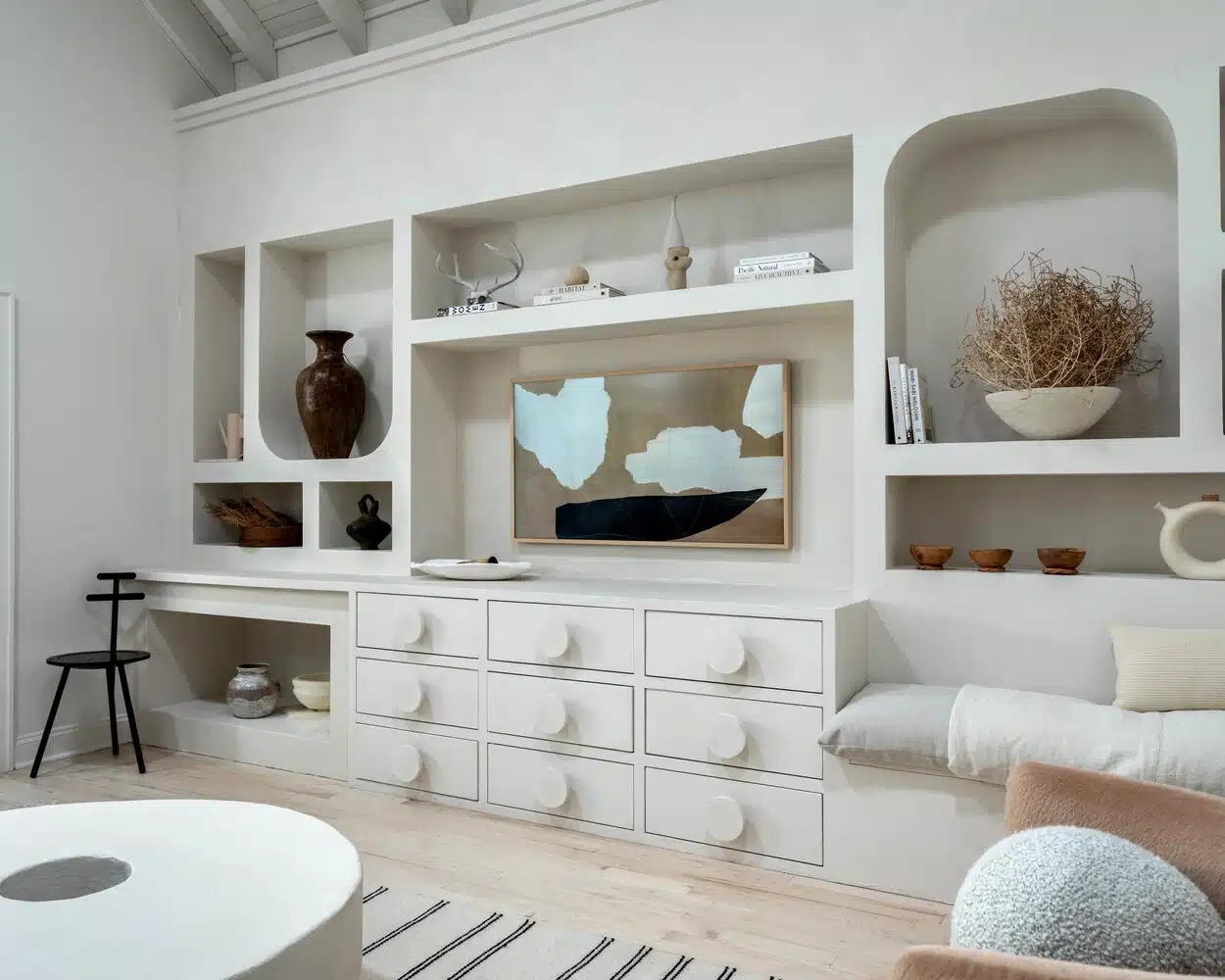
The challenge is not the design itself, but rather how that vision is carried through execution.
In practice, there are two primary ways a remodeling project is structured: traditional remodeling and design-build.
While both can produce finished homes, the experience and outcome differ in ways that become more visible as the project progresses.
Traditional Remodeling: A Sequential Process
In a traditional remodeling structure, the process typically follows a sequence:
An architect or designer develops plans
Plans are handed over to a contractor after the design is complete
Construction begins once pricing and scope are finalized
On paper, this approach is straightforward.
In reality, it introduces separation between design and execution.
Because the contractor is not involved during early design development, certain constraints such as cost, feasibility, and sequencing, are not fully considered until later.
This can lead to adjustments during construction.
Those adjustments are often reasonable individually, but over time they can create misalignment between the original design intent and the final result. These adjustments can also introduce unanticipated costs and timeline extensions.
Where Traditional Remodeling Often Struggles In Luxury Homes
In Highland Park and University Park, homes tend to have:
Complex architectural details
High expectations for finish quality
Custom material selections
Sensitive spatial relationships between rooms
In this environment, separation between design and construction can introduce friction in areas such as:
Material substitutions during procurement
Adjustments made in the field
Design simplifications due to construction constraints
Communication gaps between teams
The result is not complete failure but gradual dilution of intent and experience.
Design-Build: A Unified Process
Design-build approaches the same problem differently.
Instead of separating design and construction into phases, both are developed in parallel as part of a single coordinated process.
This means:
Design decisions are informed by real construction insight
What is the difference between design-build and traditional remodeling?
Design-build integrates design and construction into a single coordinated process, while traditional remodeling separates them into distinct phases handled by different teams.
Why does traditional remodeling create more risk?
Because design and construction are separated, decisions often need to be adjusted during construction due to cost, feasibility, or sequencing constraints.
Is design-build more expensive?
Not necessarily. While upfront planning may be more detailed, design-build often reduces costly changes and rework during construction, improving overall predictability.
Which approach is better for luxury homes in Highland Park and University Park?
Design-build is often better suited for luxury homes where design continuity, material coordination, and execution detail are critical to the final result.
The most important difference between remodeling approaches is how well the original intention is carried through completion.
When considering how to approach a remodel, it can be helpful to think through:
How decisions will be managed as the project evolves
How design intent will be protected during construction
How coordinated the team structure needs to be based on complexity
In many cases, a short conversation about project structure is enough to determine whether a traditional or integrated approach is better suited to the home.
A simple guest bath is well suited to a traditional approach. Most anything beyond deserves an integrated approach.
For homeowners early in the process, a brief review of scope and intent can often provide useful direction before formal planning begins.
At MHM LIVING, we believe design integrity is what defines a successful luxury remodel.
Design integrity is the ability to preserve a clear vision throughout the design and construction process so that every decision contributes to a cohesive result.
Materials, craftsmanship, and budget all play a role, but it is design integrity that often distinguishes a luxury remodel from an expensive renovation.