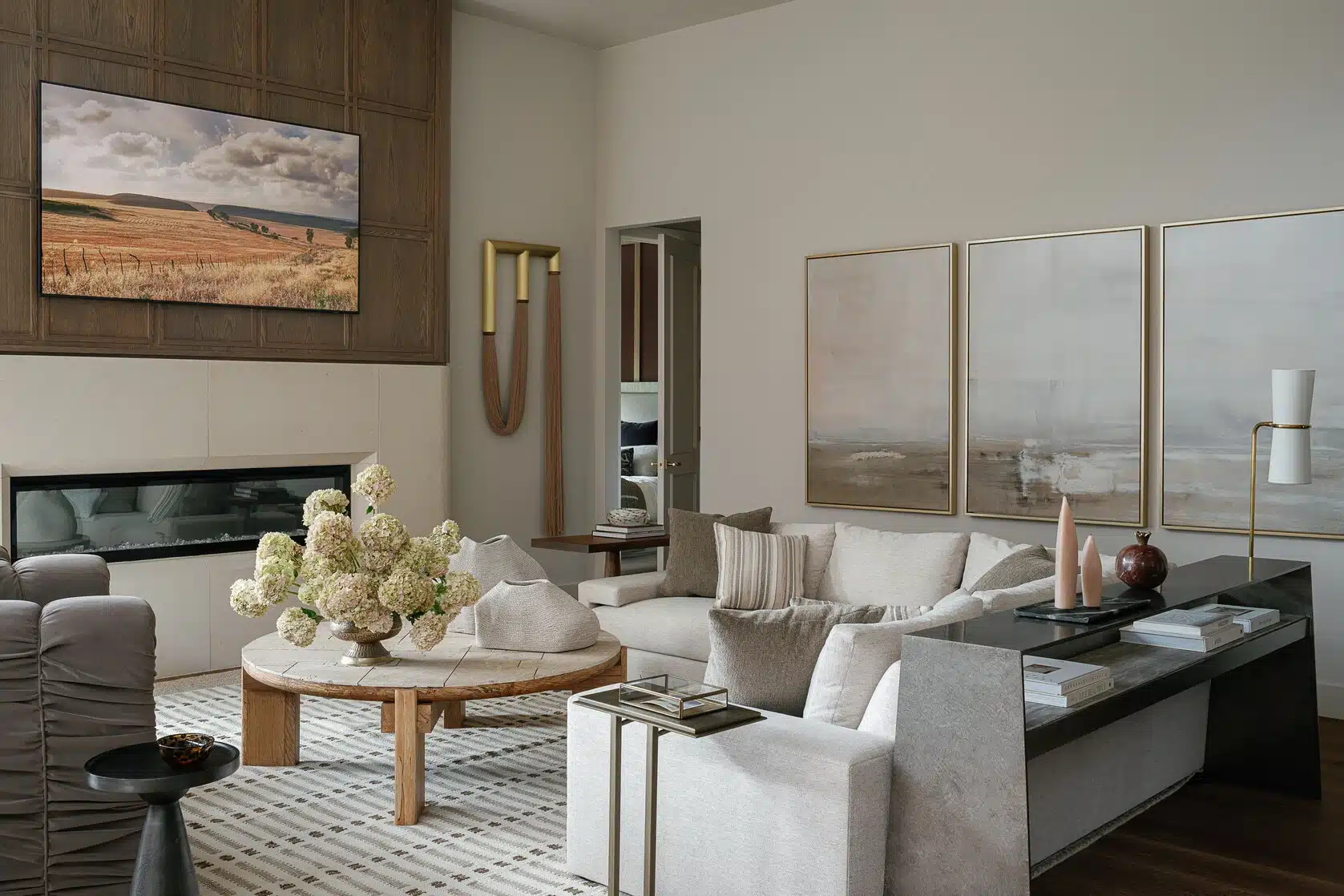
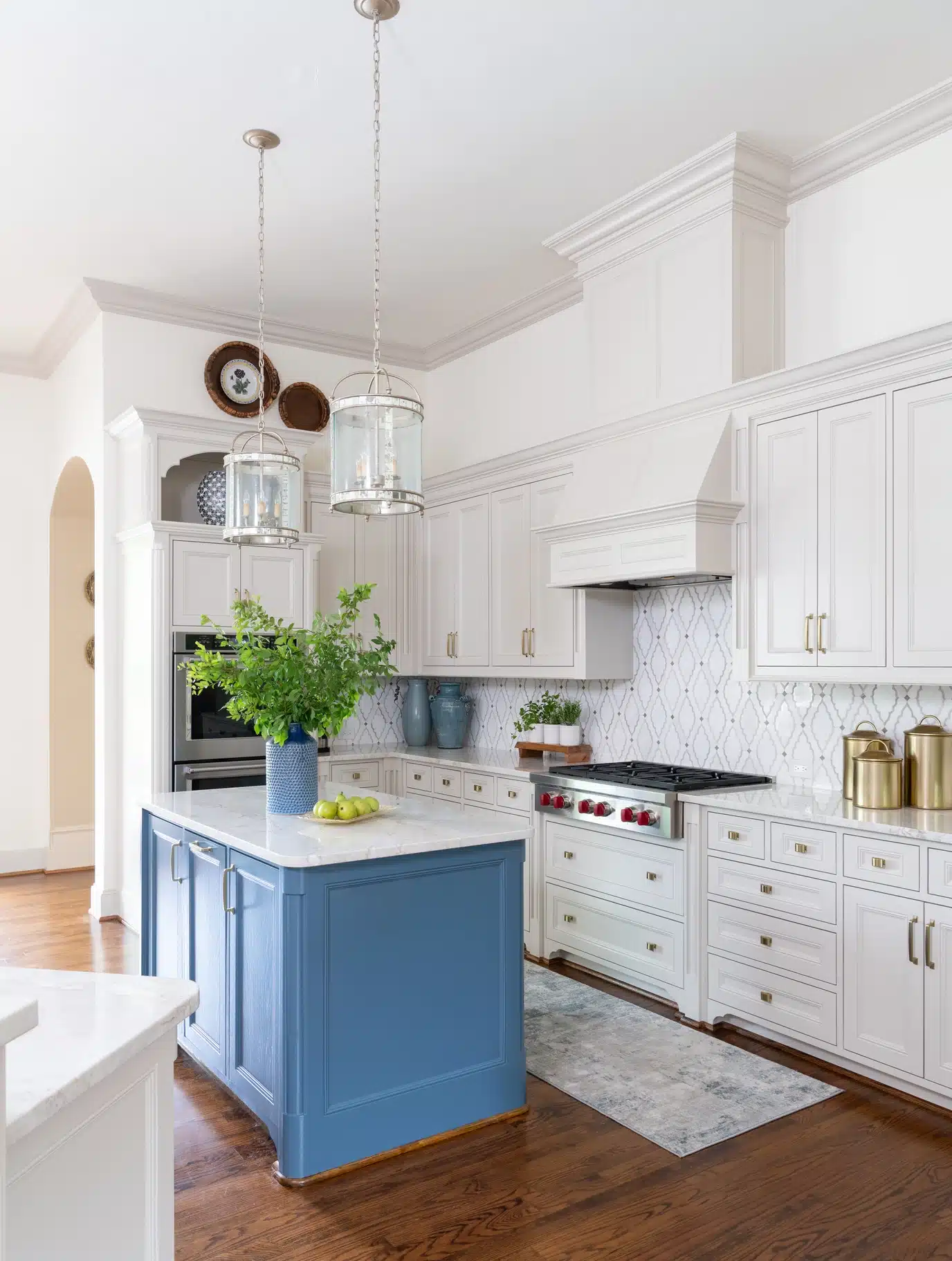
This allows decisions to be evaluated in context of the full home system. The result is efficiency and continuity.
Why This Matters in Plano & North Dallas Homes
These homes often include:
Multiple living zones
Large open-concept spaces
Complex circulation patterns
Multi-phase renovation needs
Design-build helps maintain alignment across these systems.
The Real Difference: Control of Outcomes
The distinction between traditional and design-build is not just about process.
It is about how much control remains over the original intent as the project evolves.
Traditional remodeling introduces multiple points where interpretation can enter the process.
Design-build reduces those points by aligning decision-making from the beginning.
In large scale remodeling, this difference often shows up not in the first drawings but in the final details and ultimately the entire experience.
FAQ
Design-Build vs Traditional Remodeling
What is design-build remodeling?
A coordinated process where design and construction are developed together instead of separately.
What is the difference between design-build and traditional remodeling?
Design-build integrates design and construction into a single coordinated process, while traditional remodeling separates them into distinct phases handled by different teams.
Why is a design-build approach better for large homes?
Because it reduces fragmentation across multiple spaces and improves overall coordination.
Does design-build reduce cost?
It may not reduce the base cost, but it reduces inefficiencies and mid-project changes that inevitably raise costs and duration of a project both.
In large homes, success depends less on isolated design decisions and more on how well the entire system is coordinated.
Key considerations include:
How decisions are managed across multiple spaces
How changes are controlled during execution
How design intent is maintained across scale
In many cases, a short conversation about project structure is enough to determine whether a traditional or integrated approach is better suited to the home.
A simple guest bath is well suited to a traditional approach. Most anything beyond deserves a well integrated approach.
For homeowners early in the process, a brief review of scope and intent can often provide useful direction before formal planning begins.